Leaving Your Home Empty This Winter? How to Prevent Plumbing Problems
The weeks a house sits unused are when small plumbing faults grow into repairs nobody planned for.
Request plumbing service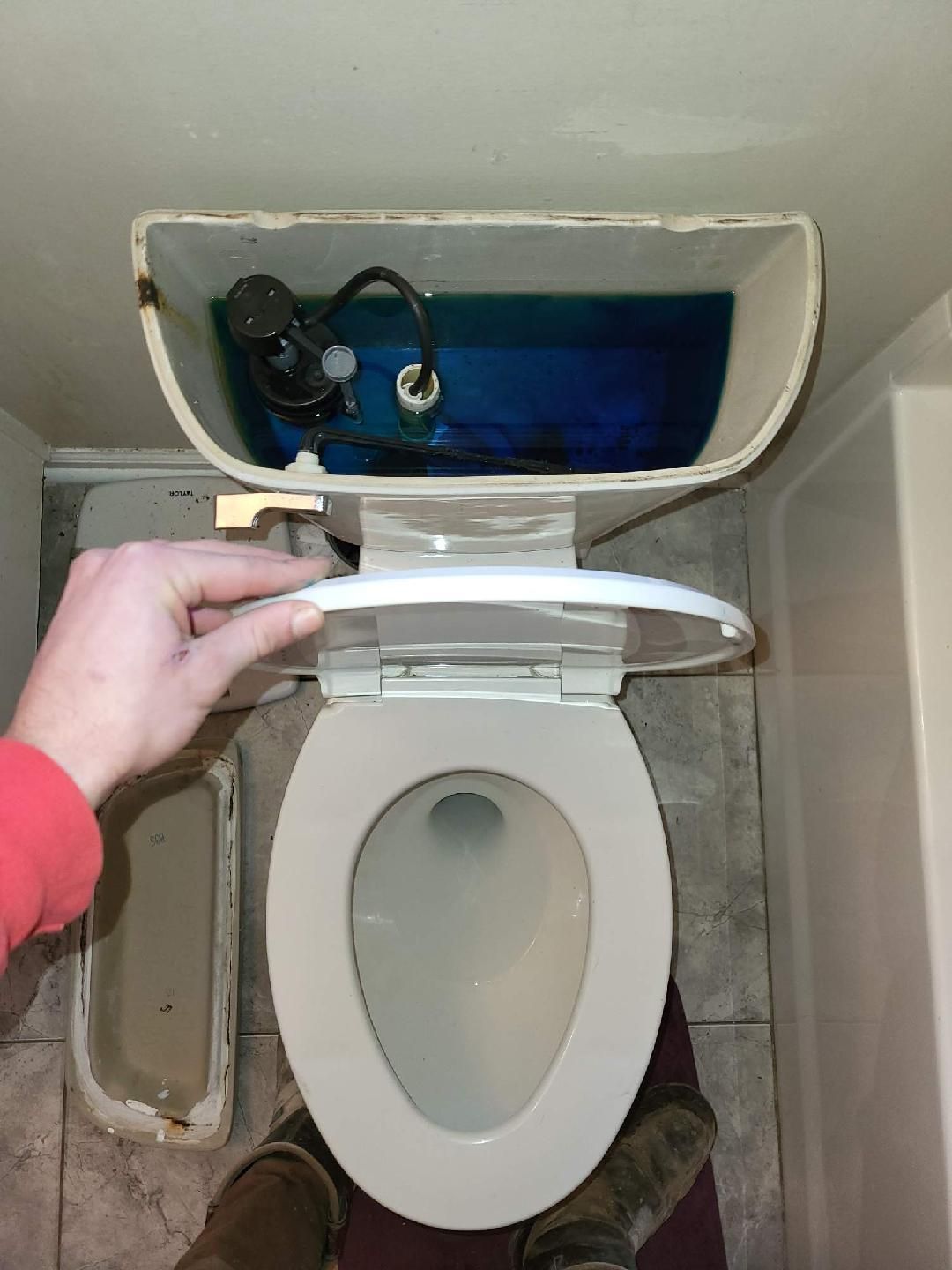
A leaking water line can damage floors and cabinets before anyone notices in an empty home. A running toilet, damaged outdoor faucet, or loss of heat can also go undetected between visits. If your Pine Mountain vacation home, Airbnb, cabin, or lake house will sit empty this winter, address existing plumbing problems before you leave.
Hays Plumbing LLC repairs leaking fixtures and water lines and provides professional plumbing winterization. Depending on the property and the agreed work, winterization includes draining lines, clearing remaining water with regulated compressed air where appropriate, protecting drain traps, and isolating water heaters and water softeners as needed. The risks below explain why that work matters while a home is vacant.
In this guide
A Small Supply Leak Can Become a Larger Problem
A damp spot under a sink may seem manageable when you can wipe it up and watch it. Once the home is empty, the same leak can affect cabinetry, flooring, or the room below before anyone sees it.
Check accessible supply hoses, fixture shutoffs, toilet connections, and the plumbing around the water heater. Corrosion, repeated dampness, and a valve that begins dripping when touched deserve attention before departure.
Hays can check leaking connections and shutoffs before departure and explain the repair needed. Closing the appropriate supply can limit incoming water, but it leaves water inside the plumbing. A longer seasonal closure may require professional winterization, with any equipment that needs a continuing water supply considered separately.
Running Toilets and Dripping Faucets Can Waste Water While You're Away
A toilet can lose tank water into the bowl without leaving a puddle. The fill valve then replaces it repeatedly. In a vacant house with the supply left on, that cycle can continue without the usual noise prompting someone to investigate.
Listen for refilling when nobody has flushed. Look for movement in the bowl, moisture near the tank, and a faucet that will not stop dripping. Do not assume closing a stiff fixture valve is a reliable solution; a seized or corroded valve can fail when forced.
Hays checks the toilet or faucet, supply connection, and shutoff to find the source of the problem. Repairing a running toilet or dripping faucet before departure helps prevent continuing water loss. A replacement fixture should not leave a leaking connection or failing shutoff behind.
Loss of Heat Changes the Plumbing Risk
A home that is normally heated may have water lines in colder areas outside the main living space. If the heat stops, those pipes can become vulnerable before a thermostat alert receives attention.
The important issue is the actual pipe location and protection, rather than the temperature shown in one room. A crawl-space line or exterior-wall connection can experience different conditions from the hallway thermostat.
If reliable heat cannot be maintained during the vacancy, contact Hays about plumbing winterization before leaving. Hays uses regulated compressed air to clear plumbing lines, protects traps, and isolates water heaters and water softeners. A remote temperature alert does not remove water trapped in a vulnerable line.
Outdoor Faucets Can Hide Damage Behind the Wall
A hose bibb that looks intact from outside may still have a damaged barrel or interior connection. Some freeze damage becomes apparent when the faucet is used again and water escapes into the wall or crawl space.
Remove hoses before cold weather and have existing drips checked. A cover is useful preparation for some installations, but it does not fix a leak or protect every section of connected pipe.
Hays checks the outdoor faucet and accessible connected piping for leaks, worn parts, and signs of freeze damage. Repairs may involve the faucet, its shutoff, or the pipe behind it. If new moisture appears when you use the faucet after a cold spell, stop using it and arrange service. See Hays' outdoor faucet services for the related work.
A Drained Water Heater Must Stay Off Until Properly Refilled
A water heater should be part of the vacancy plan, especially if supply lines or the tank will be drained. An electric tank heater can be damaged if powered while empty. Restoring electricity before it is properly filled is not a safe restart.
Gas heaters and tankless units also have model-specific shutdown requirements. Some equipment's freeze protection depends on power; turning everything off without checking the manual can remove that protection.
Hays' winterization work includes isolating water heaters and water softeners. Tell Hays whether utilities will remain connected and when the property will be used again. Ask what preparation is included for the installed equipment and confirm its shutdown and restart requirements.
Unused Drains Can Develop Odors
The curved trap beneath a sink holds water that blocks sewer gases from coming back through the drain. Other fixtures have traps too. During a long period without use, that water can evaporate.
An odor after a vacancy may be related to a dry trap, but it should not automatically be dismissed. Persistent odor, slow drainage, or a backup needs investigation. A damaged connection or drainage problem can produce a similar complaint.
Hays protects drain traps as part of winterization. Ask what protection is included for your property. A home that remains heated and in regular use needs a different plan from one that will be shut down for the season. Never use automotive antifreeze as an improvised plumbing treatment.
Water-Connected Appliances Are Easy to Overlook
The refrigerator, washing machine, dishwasher, and water-treatment equipment can remain connected even after the visible faucets have been checked. Their hoses, valves, and internal water paths need consideration during a long closure.
Make a written inventory and follow each manufacturer's instructions. Ask who is responsible for any specialty equipment rather than assuming it is part of the household plumbing appointment.
This also matters on return. An appliance that was drained, disconnected, or isolated should not be started until its connections and supply have been properly restored.
Monitoring Does Not Replace Plumbing Repairs or Winterization
A moisture sensor or temperature alert can help identify a problem while you are away, but it cannot repair a pipe or protect water left inside one. Power and internet interruptions can also affect monitoring. Use alerts alongside repairs, appropriate winterization, and property checks.
Keep the main shutoff accessible and arrange for someone to respond to an alert. Avoid wet electrical equipment and flooded crawl spaces. If the property cannot be reliably heated or checked, discuss a winterization plan before leaving.
Prepare Your Pine Mountain Home Before You Leave
Hays Plumbing provides fixture and water-line repairs, outdoor faucet service, and plumbing winterization. If your Pine Mountain property will sit empty, contact Hays to discuss existing leaks and the winterization work needed before departure.
Schedule plumbing repairs or winterization in Pine Mountain, or call (706) 587-1470. Tell us when you are leaving, when the property will be used again, and whether you have noticed leaking fixtures or water heater problems.
Frequently Asked Questions
What plumbing problem is easiest to miss in an empty house?
A small ongoing leak or internally running toilet can continue unnoticed. No single problem affects every home, so check fixtures, supply connections, outdoor piping, and the water heater before leaving.
Can a vacant house have plumbing damage with the water turned off?
Yes. Water remains in pipes, fixtures, and equipment unless properly drained or protected. Turning off the supply can limit incoming water but is not complete winterization.
Why does a drain smell after the house has been empty?
Water in a drain trap may have evaporated, allowing sewer gases through. Persistent odor or drainage trouble can have another cause and should be checked rather than repeatedly treated with chemicals.
Is a smart water sensor enough protection?
No. It can support monitoring, but someone must receive the alert and act. Placement, power, connectivity, and access to the house all affect how useful it will be.
What should I do first if I return to a leaking pipe?
Close the correct water shutoff if safe and avoid wet electrical equipment. Keep people away from unsafe areas and arrange plumbing service. Do not assume the leak stopped permanently because the weather warmed up.
Leave the house with sound plumbing
Let us check the leaks and running fixtures you already know about while someone is still at the house to see them. Call (706) 587-1470 or contact us online.
Request plumbing service