No Hot Water? Why Water Heater Problems Become More Noticeable in Cold Weather
Cold mornings can expose a weak water heater, but the pattern of the problem tells you more than the season.
Request plumbing service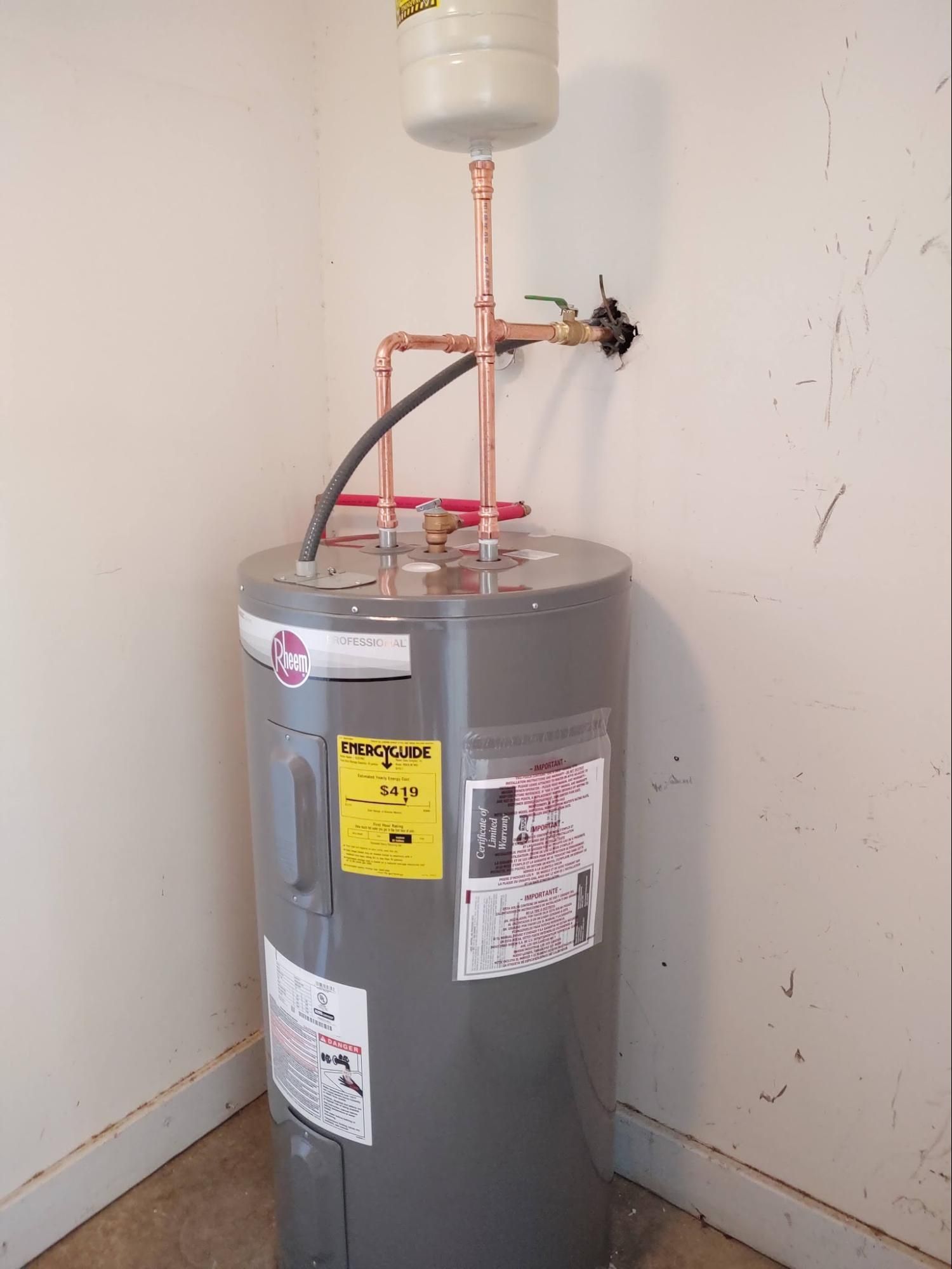
A water heater may seem to struggle more in cold weather because the incoming water starts colder and takes more energy to reach the temperature you need. That can make back-to-back showers less comfortable. A sudden loss of hot water, however, still needs a diagnosis. Winter does not explain away a failed part, leaking tank, or problem at one shower.
For Columbus homeowners, the useful question is what changed. Does the water run cold after one shower? Is every hot tap affected? Did the trouble appear overnight, or has recovery gradually become slower? Those details help Hays Plumbing LLC distinguish normal demand from a heater or plumbing problem.
In this guide
Why Colder Incoming Water Changes Your Hot-Water Supply
Your heater has to raise incoming water to its operating temperature. When the incoming water is colder, that temperature increase is larger. A tank may need more time to recover after use, and a tankless unit's available flow depends partly on the temperature rise required.
The shower also needs a different mix of hot and cold water to feel comfortable. Colder cold water can mean using more hot water during the same shower. Add another shower, laundry, or dishes, and a system that seemed adequate in summer may have less room to keep up.
That does not mean every winter complaint calls for a bigger heater. A unit that previously handled the same routine deserves a performance check before you spend money on different equipment.
Identify the Pattern Before Assuming the Heater Failed
No Hot Water Anywhere
If every hot tap stays cold, the heater may not be heating. Electric units can develop element, thermostat, or electrical-supply problems. Gas units can have ignition, burner, control, or fuel-supply issues. Tankless heaters can shut down or display an error for several reasons.
Note any visible error message without opening covers or removing parts. Repeatedly resetting a breaker or relighting equipment can delay finding the actual fault. Tell the technician what you observed and whether the unit recently stopped working.
Hot Water Runs Out After One Shower
A shorter hot-water supply can mean a failed heating part, less hot water available from the tank, or more demand than the heater can meet. Sediment may contribute to declining performance, but it is not the cause of every cold shower.
Compare the current routine with the one the heater used to handle. New fixtures, longer showers, more occupants, or simultaneous appliance use can change demand. If none of those changed, explain that when scheduling service.
Only One Shower Has Temperature Trouble
If sinks and other showers still receive normal hot water, the shower valve or local plumbing may be involved. A mixing valve controls the blend of hot and cold water at the fixture. A problem there can feel like a heater failure even when the heater is working.
Replacing the water heater would leave that fixture problem unresolved. Hays checks the affected fixtures as well as the equipment before recommending the repair.
Slow Delivery and Slow Recovery Are Different Problems
Waiting for hot water to reach a distant faucet is not the same as waiting for the heater to reheat. Water already sitting in the pipe must leave before newly heated water arrives. The distance and piping arrangement affect that delay.
Recovery describes how quickly a tank restores its hot-water supply after use. If the first shower is comfortable but the next is cold, recovery or capacity may be the concern. If the water eventually gets hot and stays hot, delivery through the piping may deserve more attention.
Make a simple note of which fixtures are affected, how long the change has been happening, and whether the trouble follows other hot-water use. There is no need to take the heater apart to gather useful information.
What You Can Check Safely
Before the appointment, keep your checks observational:
- Identify whether the heater is a tank or tankless unit and whether it uses gas or electricity.
- Record a visible error code and the model information if accessible.
- Look for moisture at nearby pipe connections, in the drain pan, and around the base.
- Note whether all hot taps are affected or only one.
- Write down recent changes in household use and any previous repairs.
Avoid touching wet electrical equipment, removing access panels, or adjusting gas controls. A breaker that trips again needs evaluation rather than repeated resets. Do not turn up the temperature simply to compensate for a developing fault; that can increase scalding risk without fixing the cause.
If you smell gas, leave the property and contact the gas provider or emergency responders from a safe location. A plumbing appointment is not a substitute for immediate hazard response.
What Hays Plumbing Evaluates
Hays Plumbing provides tank and tankless water heater service, including diagnosis, maintenance, repair, and replacement. The repair-or-replace decision considers the heater's age, leak location, corrosion, repair history, capacity, and performance, along with repair cost compared with replacement.
A leak needs its own diagnosis. Water around the bottom may have come from a connection above it. A serviceable fitting or valve is a different repair from a storage tank that has failed through its body.
Hays explains what was found and whether maintenance, a part repair, or replacement will address the problem. Flushing may be appropriate maintenance for a heater in serviceable condition, but it cannot repair a leaking tank or fix a failed control.
When Repair Makes Sense and When Replacement Deserves a Look
A heater in good condition that normally meets demand may be worth repairing when the problem is limited and compatible parts are available. An older heater with corrosion, repeated repairs, and continuing performance problems may cost more to keep repairing than to replace.
Traditional tank heaters commonly last about 8 to 12 years, with variation from installation, use, water conditions, and maintenance. Age alone does not settle the decision. It does help explain why another part on a deteriorating heater may be poor value.
If replacement is appropriate, compare the complete installation rather than equipment prices alone. Capacity, energy supply, venting where applicable, access, and connected plumbing all matter. A tankless conversion also needs planning for simultaneous use and the incoming-water temperature.
Schedule Water Heater Service in Columbus
If your hot water runs out sooner, takes longer to recover, or has stopped altogether, Hays Plumbing can find out why. We explain whether a repair can restore reliable hot water or whether replacement is worth considering.
Schedule water heater service in Columbus or call Hays Plumbing at (706) 587-1470. If only one shower or faucet is affected, mention it when booking. Hays also provides faucet, shower valve, shutoff, and supply-line repair.
Frequently Asked Questions
Is it normal to have less hot water in winter?
Colder incoming water can increase heating demand and change how much hot water a shower uses. A modest seasonal difference is possible. A sudden loss, repeated shutoff, or major decline under the same routine should be checked.
Why is my second shower cold when the first one was fine?
The tank may not have recovered between showers, or a failed component may be reducing the usable supply. Household demand and equipment condition both matter. The symptom alone does not prove the tank is too small.
Should I raise the water heater temperature?
Have the cause evaluated first. Raising the setting can increase scalding risk and does not repair failed parts. Follow the manufacturer's guidance and discuss temperature concerns with the technician.
Does cold weather mean my water heater is frozen?
No. Ordinary seasonal performance changes differ from a frozen heater or supply line. Equipment location, weather exposure, loss of flow, and visible damage help determine what needs investigation.
Can Hays repair the heater instead of replacing it?
That depends on the failure, tank condition, age, parts availability, and repair history. A repair should restore useful service. A confirmed leak through the storage tank generally requires replacement.
Get a clear answer on your heater
We check the heater and the fixtures, explain what we find, and tell you whether a repair or a replacement makes more sense. Call (706) 587-1470 or contact us online.
Request plumbing service