How to Know If You Have a Gas Leak in Your Phenix City, AL Home
How to Know If You Have a Gas Leak in Your Phenix City, AL Home
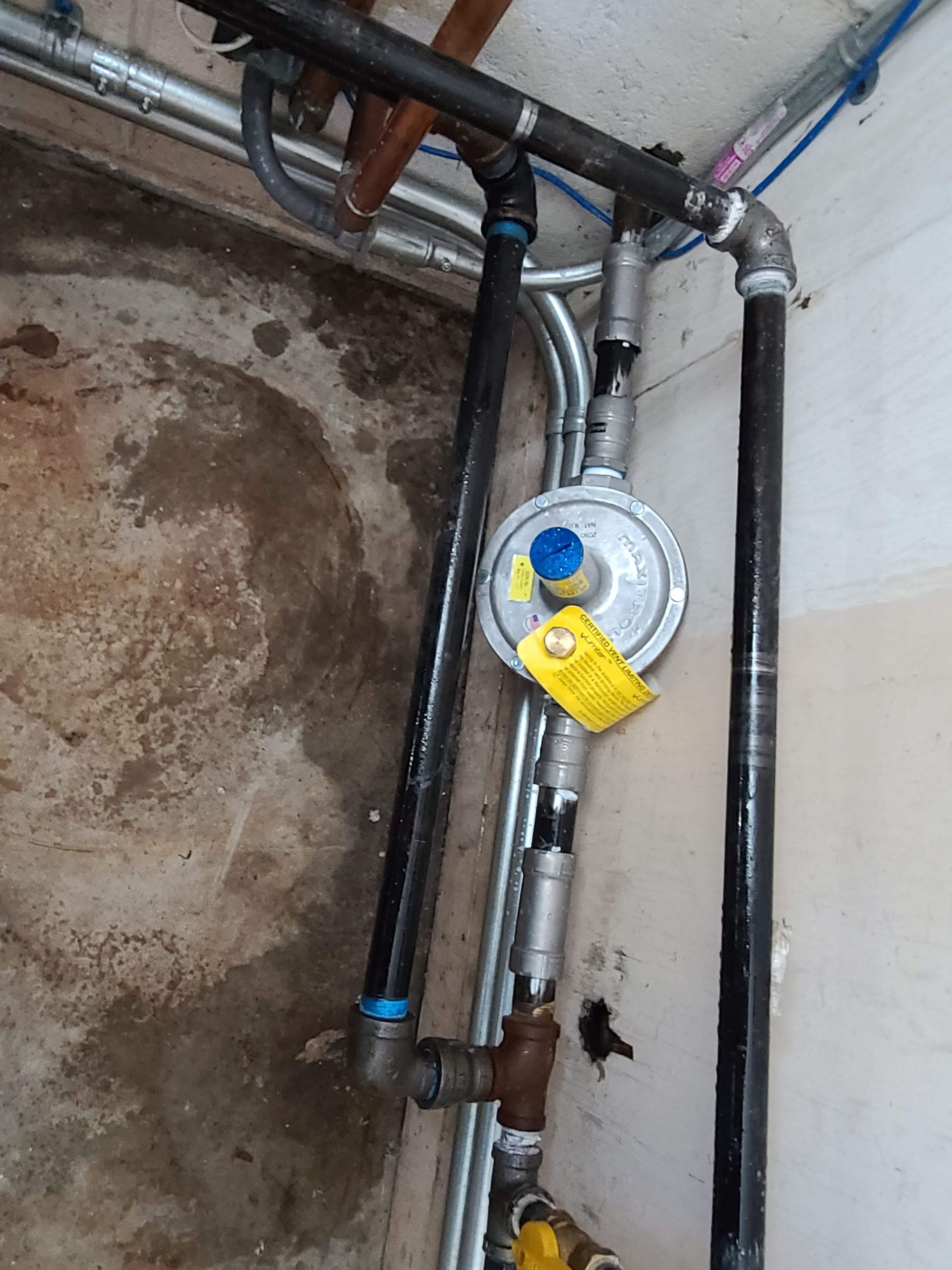
If you smell gas or believe fuel may be escaping in your Phenix City home, do not stay inside to investigate. Leave on foot, keep other people away, and call 911 and the gas utility or propane supplier from a safe location. Do not re-enter until emergency personnel or the fuel provider says it is safe.
A gas leak cannot be safely confirmed by checking fittings with a flame, operating appliances, or waiting to see whether the odor gets stronger. The immediate job is to get out without creating a spark. Plumbing diagnosis and repair come only after the property has been made safe to enter.
Common Warning Signs of a Gas Leak
Natural gas and propane are odorized so many leaks smell like rotten eggs or sulfur. Odor is important, but it is not the only possible warning sign. Leave and report the situation when you notice:
- A rotten-egg or sulfur-like odor inside or near the home
- Hissing, whistling, or blowing near a gas appliance, shutoff, regulator, meter, tank, or piping
- A damaged, disconnected, corroded, or recently disturbed gas line or appliance connector
- Dirt blowing, water bubbling, or an unusual dry or dead patch of vegetation above a buried gas route
- A combustible-gas alarm activating
- Several people experiencing sudden headache, dizziness, nausea, or weakness near fuel-burning equipment
Physical symptoms can have many causes, including carbon monoxide from incomplete combustion. Do not remain inside to identify the exact gas. Move to fresh air and call emergency services from outside.
What Not to Do When Gas May Be Escaping
A switch, motor, flame, or static spark can provide an ignition source. While leaving, do not:
- Turn lights, ceiling fans, appliances, or electrical switches on or off
- Use a phone, doorbell, thermostat, garage-door opener, or electronic device inside
- Light a match, candle, cigarette, fireplace, stove, or grill
- Start a vehicle or other engine near the suspected leak
- Unplug equipment or reset a breaker
- Search for the leak, tighten fittings, or operate gas valves unless directed by emergency personnel or the fuel provider
- Return for pets, belongings, or tools once you are outside
Leave doors and windows as they are unless opening one is part of your direct path out. Do not spend additional time ventilating the building. Get everyone away from the structure and make calls from a safe distance.
A Carbon Monoxide Alarm Does Not Detect Natural Gas
Carbon monoxide and unburned fuel gas are different hazards. A standard carbon monoxide alarm is designed to detect carbon monoxide produced by incomplete combustion; it does not detect a natural-gas or propane leak unless the device is specifically a combination unit with combustible-gas detection.
Likewise, the absence of an odor does not prove that the building is safe. Odor may be harder for some people to detect, and leak conditions can change. A suspected leak requires the utility, propane supplier, fire department, or another qualified emergency responder to clear the property before routine repair work begins.
Where Residential Gas Leaks Can Develop
A leak can occur anywhere the gas system or appliance connection has been damaged, loosened, corroded, or improperly installed. Common areas include:
- Appliance shutoff valves, unions, fittings, and final flexible connectors
- Black iron piping in walls, attics, crawl spaces, mechanical areas, and exterior runs
- Connections disturbed while moving a range, dryer, water heater, fireplace equipment, or grill
- Regulators, meter connections, propane-tank components, and exposed outdoor piping
- Buried lines damaged by digging, fence work, landscaping, or vehicle loads
Call 811 before digging so public utilities can be marked. Private gas lines to grills, outdoor kitchens, generators, and other equipment may require separate locating because they are not always covered by a standard public-utility locate.
How Gas Piping Is Evaluated After the Emergency Is Controlled
Once the utility or emergency responder says the site is safe for plumbing work, Hays Plumbing can inspect accessible piping, appliance connections, valves, supports, and reported damage. Pressure testing and targeted diagnostics may be used to isolate the affected section and determine whether a fitting, valve, connector, or pipe must be replaced.
The repair scope depends on the leak location and the condition of the surrounding system. Hays Plumbing uses black iron pipe for permanent natural-gas and propane distribution. A flexible connector may be used for the final appliance connection when the application allows it; it is not a substitute for permanent piping. Copper is not used as the company's standard material for natural-gas lines.
What Happens Before Gas Service Is Restored
The repaired or replaced section must be assembled, supported, and tested as required for the scope. Depending on who shut off the service and local requirements, the gas utility, propane provider, inspector, or another authorized party may need to approve or restore service.
Do not turn the gas back on or relight appliances unless the responsible professional or fuel provider has directed that step. The entire affected system and the appliances placed back into service must be handled according to the repair plan.
Gas Leak Repair and Gas Line Service in Phenix City, AL
Hays Plumbing LLC provides gas-line diagnosis, repair, rerouting, and new piping for Phenix City homeowners after an immediate gas hazard has been cleared. The company works with natural-gas and propane systems and is licensed and insured for plumbing and gas work in Alabama and Georgia.
For a possible gas leak, leave first and call 911 and the fuel provider from outside. For non-emergency gas-line planning or repair after the property is safe, call Hays Plumbing at (706) 587-1470.
Frequently Asked Questions
What if the gas smell is faint or comes and goes?
Treat it seriously. Leave the building without operating switches or electronics and report the odor from a safe location. A changing or faint odor does not prove the leak is minor.
Will my carbon monoxide detector warn me about a gas leak?
A standard carbon monoxide alarm does not detect unburned natural gas or propane. A separate combustible-gas detector or combination device is required for that function, but no alarm replaces leaving when you smell gas.
Should I shut off the gas before leaving?
Do not remain inside or approach a suspected leak to operate a valve. Leave immediately and follow instructions from 911, the fire department, or the fuel provider.
Can Hays Plumbing repair the line before the utility visits?
An active suspected leak must be handled as an emergency first. Hays Plumbing can evaluate and repair the piping after the utility or emergency responder has made the site safe for plumbing work.
Does Hays Plumbing work on propane piping?
Yes. Hays Plumbing works with natural-gas and propane piping. Fuel type, pressure, appliance demand, regulator arrangement, pipe sizing, and the condition of the existing system must be confirmed before work begins.
You might also like