Why Fall Is the Perfect Time for a Water Heater Replacement in Phenix City, AL
Why Fall Is the Perfect Time for a Water Heater Replacement in Phenix City, AL
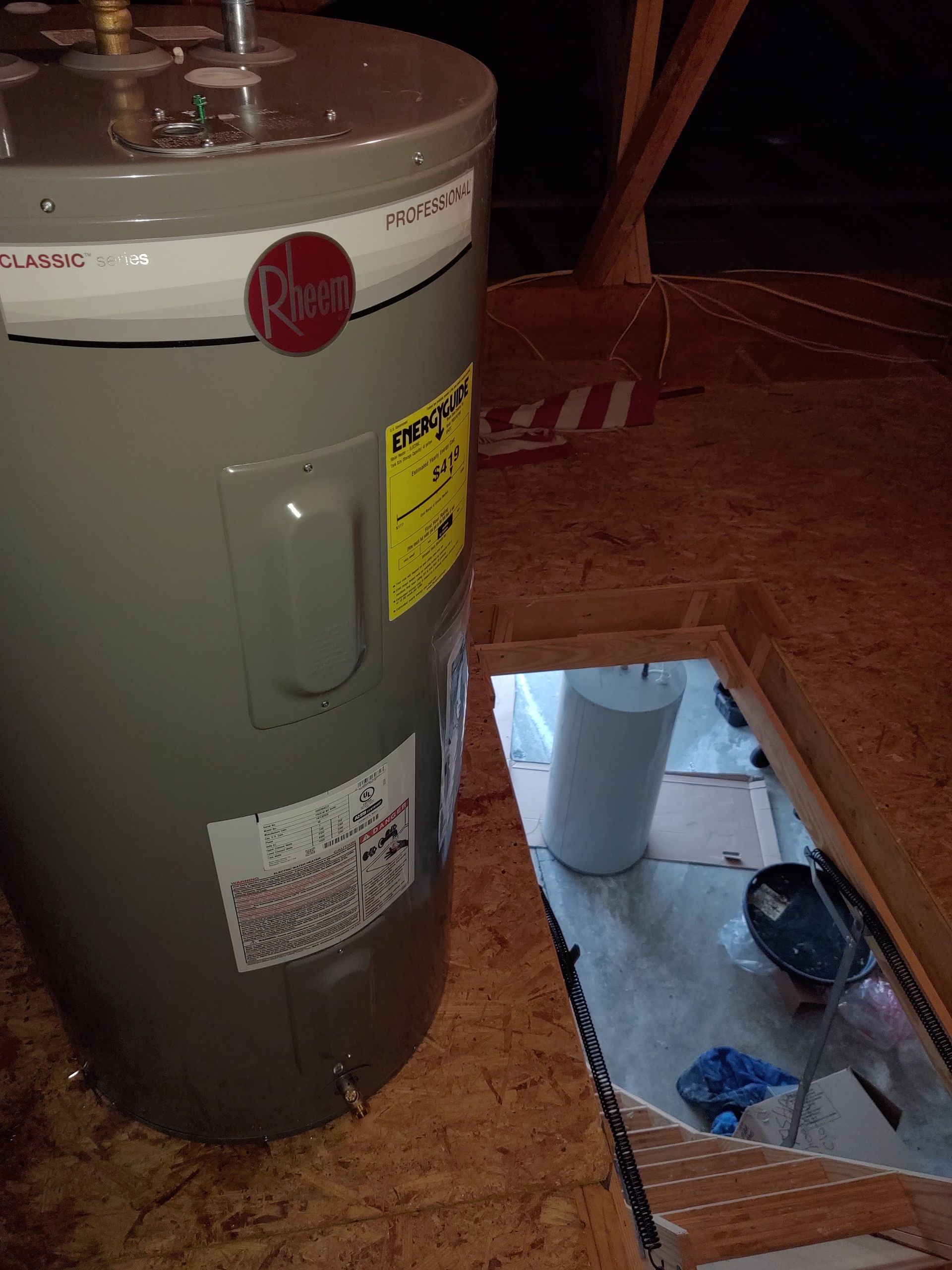
If your morning shower turns lukewarm halfway through, the tank makes noise every time it heats, or you keep checking the floor for a leak, your water heater is already affecting daily life. Fall gives Phenix City homeowners a chance to deal with those warning signs before holiday guests, extra laundry, and cooler weather put even more demand on the system.
That does not mean every older water heater needs to be replaced when summer ends. The real advantage of fall is having time to make a clear decision before the unit fails and leaves the household without hot water.
Why Fall Gives Homeowners a Better Planning Window
A leaking water heater rarely waits for a convenient day. When a tank fails suddenly, the immediate priorities are stopping the water, protecting the floor or ceiling, and restoring hot water as quickly as possible. That pressure can leave little time to compare equipment or decide whether a different type of heater would better fit the home.
Planning in fall lets you ask those questions while the current heater is still operating. You can find out whether the problem is repairable, understand what replacement would cost, and schedule the work around your household instead of reacting to water on the floor.
Do Any of These Water Heater Problems Sound Familiar?
Homeowners usually notice a change in comfort or performance before they know which component is failing. Schedule an evaluation when you notice:
- Hot water runs out after one shower
- The water takes longer than usual to heat back up
- The temperature changes from one shower to the next
- The tank pops, rumbles, or bangs while heating
- Hot water looks rusty or discolored
- Water appears in the drain pan or around the bottom or top of the tank
- A valve, pipe connection, or relief line keeps dripping
- The pilot, burner, breaker, element, or thermostat has needed repeated attention
These symptoms do not all mean the tank must be replaced. A leaking connection or failed component may be repairable. Water coming through the tank body or base is different because the storage tank itself has usually failed.
Should You Repair the Heater or Replace It?
The useful question is not simply, "How old is it?" It is, "What will this repair actually buy me?" A repair may be sensible when the tank is sound, the problem is limited to a serviceable part, and the heater still meets the household's needs.
Replacement may be the better use of your money when the tank is leaking, corrosion is spreading, hot water no longer lasts through normal use, or one repair is being followed by another. Traditional tank water heaters commonly last about 8 to 12 years, although maintenance, water conditions, installation, and daily demand all affect that range. Once a unit is older than its expected service life, another repair is often not practical, and replacement may cost less than continuing to replace parts as new problems develop.
Before approving either option, ask what failed, what else was checked, how much dependable life the repair is expected to provide, and whether the current heater is still the right size for the home.
Why a Weak Water Heater Becomes More Noticeable in Fall
A heater that barely kept up during summer may struggle when cooler incoming water takes more energy to heat. Longer showers, school routines, holiday cooking, overnight guests, and back-to-back laundry can also concentrate hot-water use into shorter periods.
That does not mean fall causes water heaters to fail. It means an existing capacity, recovery, sediment, or component problem can become harder to ignore. If the household has already started timing showers or waiting between loads, replacement planning should happen before demand increases.
What You Avoid by Replacing a Failing Heater Before It Quits
Replacing a heater before failure can help you avoid:
- Waking up to no hot water before work or school
- Water damage to a garage, utility room, flooring, or nearby belongings
- Choosing the first available unit during an emergency
- Paying for another repair shortly before replacing the heater anyway
- Discovering a bad shutoff, damaged pan, or access problem after the tank begins leaking
Tank or Tankless: Which Choice Fits Your Household?
A standard tank water heater is often the simplest replacement when the current setup works well and the household is comfortable with stored hot water. The important decision is choosing a capacity that can handle normal peak use without buying more heater than the home needs.
A tankless heater warms water as it is used and may be worth considering when the household wants a different hot-water setup or expects to stay in the home long enough to benefit from the investment. It is not automatically the better choice. Installation requirements, simultaneous showers and appliances, maintenance, fuel or electrical capacity, and upfront cost all matter.
What Happens During a Water Heater Replacement?
The plumber first confirms the replacement plan and checks the existing heater, shutoff, nearby piping, energy connection, drainage, and access. The water and power or fuel are turned off, the old unit is drained and removed, and the new heater is installed with the connections and safety components required for that home.
Before the job is complete, the new unit is filled, checked for leaks, started, and tested for proper operation. Hays Plumbing generally removes old water heaters instead of leaving them at the property, but disposal, timing, warranty terms, and any repairs to surrounding finishes should be confirmed in the estimate.
Questions to Ask Before Scheduling Replacement
- Why is replacement recommended instead of another repair?
- Is the proposed heater sized for our busiest period of hot-water use?
- Would tankless solve a real household need, or would a tank replacement be more practical?
- What work is included beyond the new heater?
- Will the old unit be removed, and what warranty and schedule apply?
Clear answers help you compare the full job instead of equipment prices that may include very different work.
Schedule Water Heater Service in Phenix City, AL
Hays Plumbing LLC repairs and replaces tank and tankless water heaters for Phenix City homeowners. The team can identify the source of a leak, explain whether a repair is worthwhile, and help you choose replacement equipment around the home's actual hot-water demand.
Call Hays Plumbing at (706) 587-1470 if your water heater is leaking, getting noisy, running out too quickly, or requiring repeated repairs. A fall evaluation can give you an answer before the heater makes the decision for you.
Frequently Asked Questions
Should I replace my water heater just because it is 10 years old?
Not automatically. Consider the tank's condition, performance, repair history, and the cost of the current problem. Age supports the decision, but it should not make the decision by itself.
Can a leaking water heater be repaired?
It depends on the source. A valve, pipe, or connection may be repairable. Water leaking through the tank body or base usually means the tank has failed.
How long will my home be without hot water?
Describe the item or answer the question so that site visitors who are interested get more information. You can emphasize this text with bullets, italics or bold, and add links.Title or Question
A straightforward replacement may be completed in one visit. Access problems, a tankless conversion, required corrections, or hidden damage can add time. Ask for a schedule after the current setup is inspected.
Is a tankless water heater worth the additional cost?
It can be for the right household, but it is not a universal upgrade. Compare upfront cost, maintenance, household hot-water use, and how long you expect to own the home.
What should I do if the tank starts leaking?
Close the cold-water shutoff and turn off the heater's power or fuel only if you can do so safely. Stay out of wet electrical areas, move nearby belongings when possible, and call for service promptly.
You might also like